Find any bank branch in
seconds.
Instant verified banking details. Verify before every transaction. Use at your own risk.
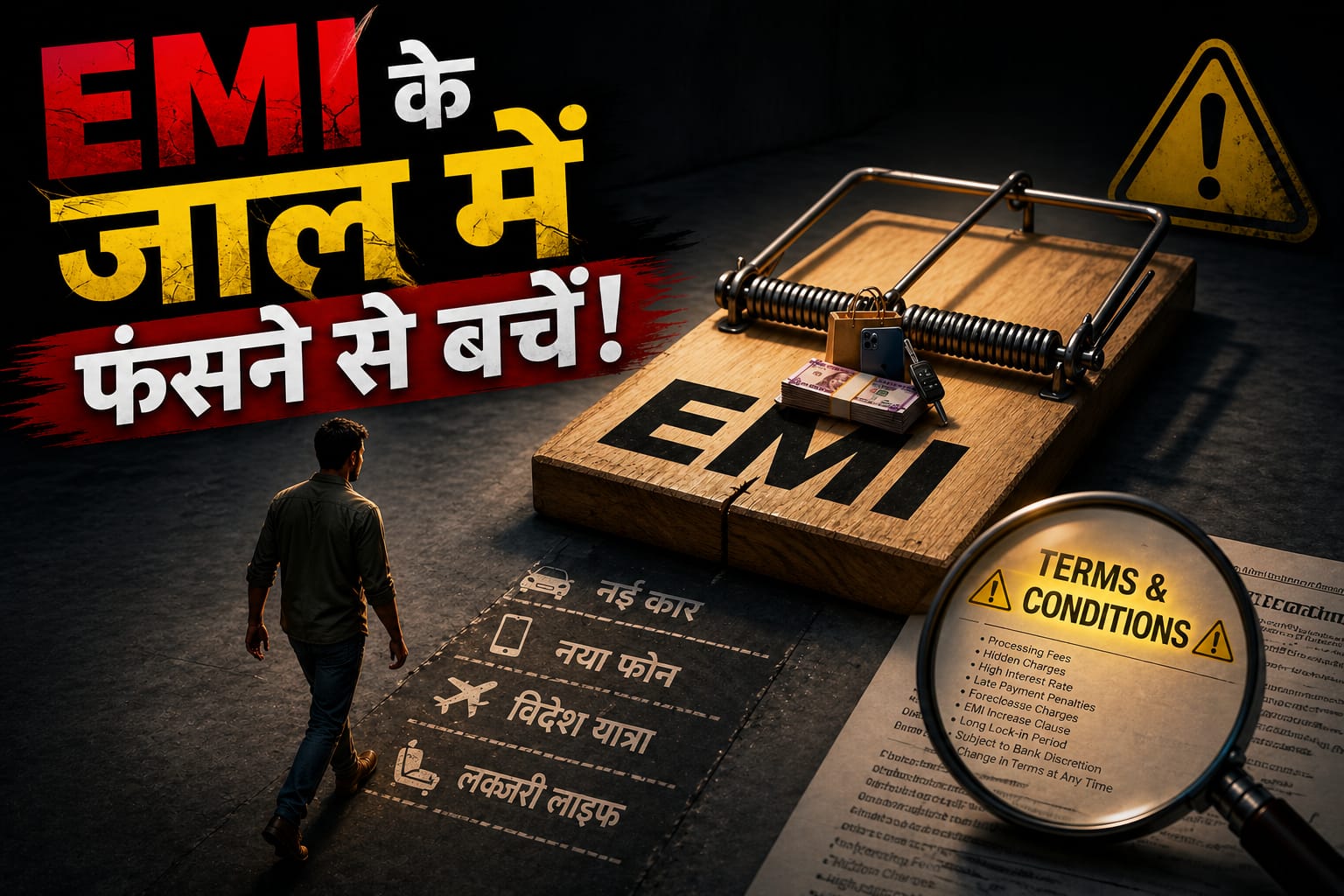
बैंक आपको कभी नहीं बताएगा लोन के ये 5 काले सच! | 5 Hidden Loan Secrets Banks Never Reveal.
लोन लेने से पहले बैंक से पूछने योग्य महत्वपूर्ण प्रश्न और छिपे हुए "Hidden Facts" की पूरी जानकारी यहाँ पढ़ें।
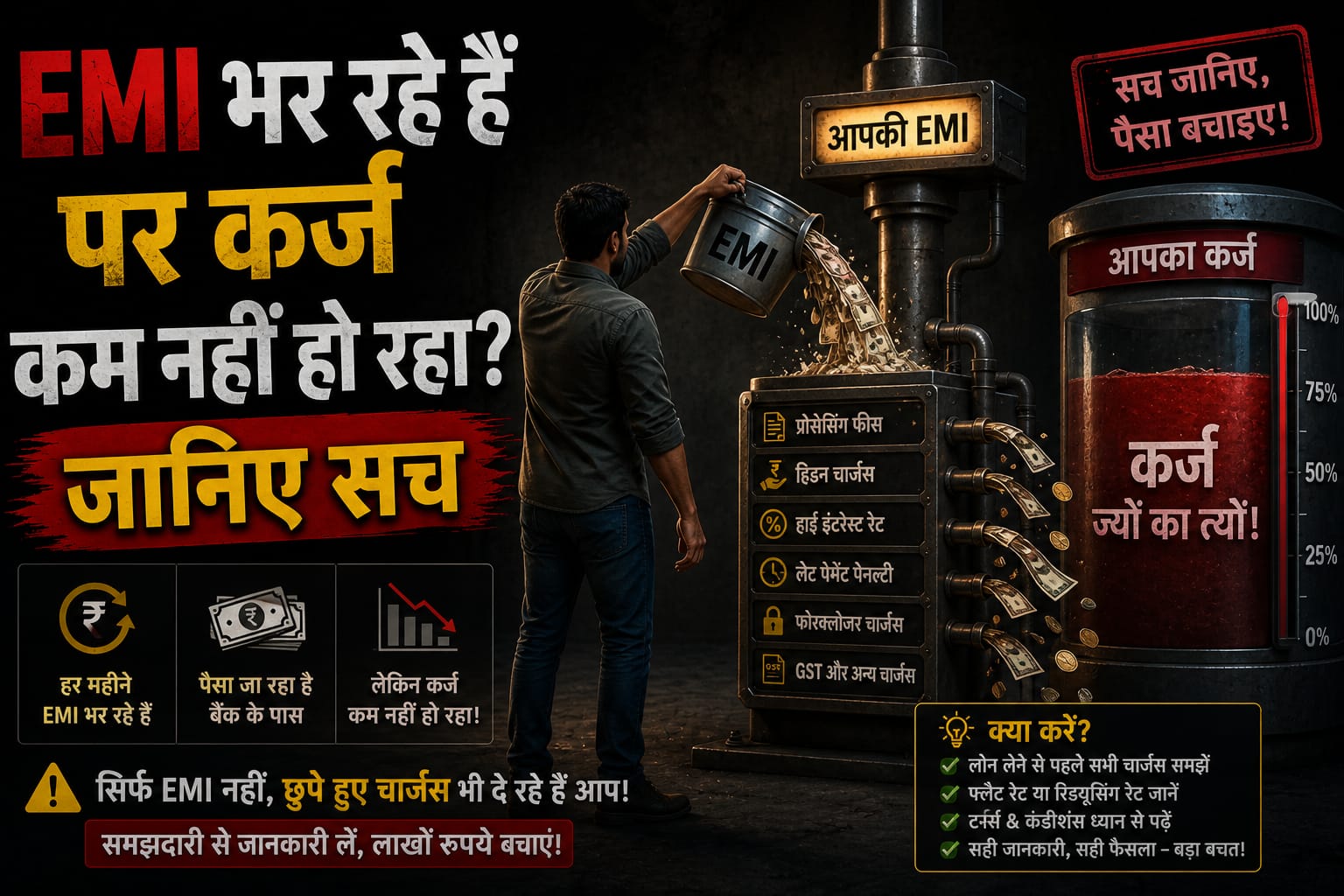
EMI भर रहे हैं फिर भी कर्ज कम नहीं हो रहा? जानिए बैंक का चक्रवृद्धि (Compounding) जाल।
समझें Reducing Balance vs Flat Rate का अंतर और जानें कैसे अमोर्टाइजेशन आपके कर्ज को बढ़ाता है।
Banking Knowledge
IFSC (Indian Financial System Code)
An 11-character alphanumeric code used for electronic fund transfers in India. Structure: First 4 alphabets (Bank name), 5th is '0', and last 6 are branch-specific digits.
MICR (Magnetic Ink Character Recognition)
A 9-digit code used for faster cheque processing. It consists of: City Code (3 digits), Bank Code (3 digits), and Branch Code (3 digits) for automated clearing.
SWIFT/BIC Code
Used for international wire transfers between banks worldwide. It identifies the bank and branch globally, ensuring secure cross-border financial communication.
BSR (Basic Statistical Return)
A 7-digit unique code issued by the RBI to every bank branch. It is essential for income tax purposes, TDS certificates, and OLTAS challans in India.
NEFT vs RTGS vs IMPS
NEFT works in batches, RTGS is for high-value real-time transfers (min ₹2 Lakh), and IMPS offers instant 24/7 transfers for smaller amounts via mobile or net banking.
Digital Banking Security
Always ensure your connection is HTTPS. Never share OTPs, PINs, or passwords with anyone. Banks never ask for sensitive credentials via SMS, email, or calls.
Common Queries
Q.Why is it important to verify the IFSC code?
Verifying the IFSC is critical because it identifies the specific destination branch. An incorrect IFSC can lead to transaction failures or, in rare cases, funds being sent to the wrong branch of the same bank.
Q.Can a bank have multiple IFSC codes?
No, every unique branch of a bank is assigned only one IFSC. However, a bank might update its codes due to mergers (e.g., SBI or HDFC merger changes), which is why real-time verification is essential.
Q.What should I do if I find incorrect branch data?
While we aggregate data from official RBI and NPCI sources, banks frequently update their details. If you notice a discrepancy, please contact the bank directly or use our feedback tool for data correction.
Q.Is the ATM finder real-time?
Our ATM finder uses your device's live GPS coordinates to locate the nearest banking outlets via the Google Maps API, providing you with the most accurate and recent navigation data.
Q.How safe is it to search for banking details here?
AskIfsc.in follows a strict Zero-Data-Retention policy. We do not store your search queries, IP addresses, or bank details. Your search happens locally on your device for maximum privacy.
Q.What is the role of NPCI in Indian banking?
The National Payments Corporation of India (NPCI) is the umbrella organization for operating retail payments and settlement systems in India, managing platforms like UPI, IMPS, and RuPay.
Q.Does this portal charge any fee?
No, all services provided by AskIfsc.in, including bank branch search, pincode finder, and ATM locator, are 100% free of cost for all Indian citizens.
Q.Where is the data sourced from?
We fetch our data from official records provided by the Reserve Bank of India (RBI), National Payments Corporation of India (NPCI), and India Post for post office details.
Banking Insights
Stay updated with latest financial shifts in India
Legal Disclaimer & Usage Notice
The information provided on AskIfsc.in is sourced from official public data. While we strive for accuracy, banking details like IFSC codes and branch addresses may change without notice.
Users are strongly advised to verify all banking details with the respective bank branch before initiating any financial transactions. We are not responsible for any financial loss.